The phrase “teenage girl” tends to conjure up images of hormonal bodies and see-sawing emotions—not focused and powerful brains. And yet, some of the most famous girls in literature gain exceptional mental gifts when they hit adolescence. Carrie White, for example, Stephen King’s telekinetic teenager, develops her cognitive power when she gets her period and experiences what King calls “mental puberty.” She takes revenge on her bullying classmates and burns down the whole prom using only her mind.
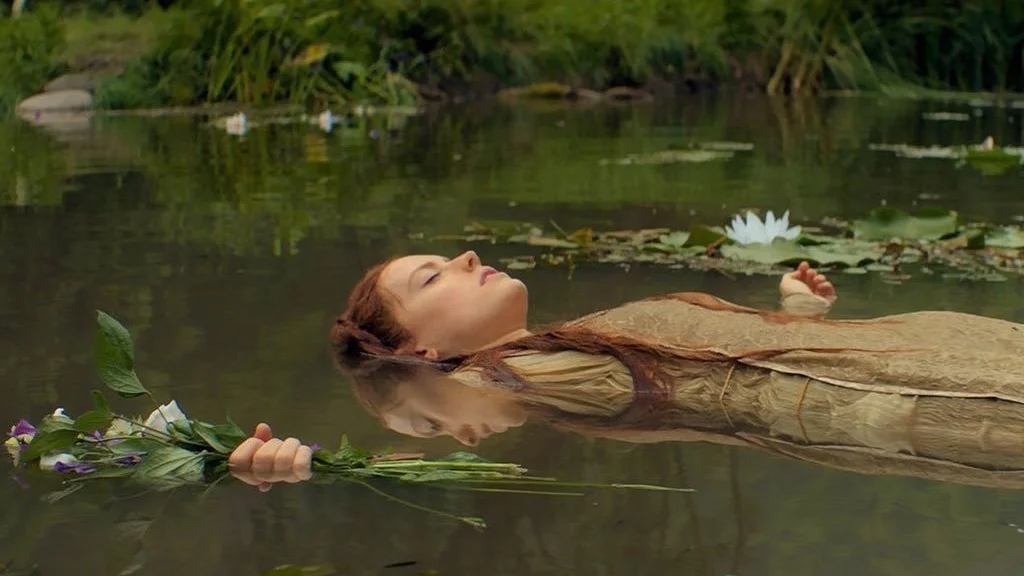
These formidable female brains aren’t a modern phenomenon. As a Shakespearean, I’ve studied how the teenage girls in his plays use their newly sharpened cognitive abilities to challenge the status quo and craft their own fates. Juliet Capulet is nearing “the change of fourteen years” when she imagines, orchestrates, and almost achieves her forever future with Romeo—against the tyrannical will of her father and Verona law. And while popular images of Ophelia cast her as a vulnerable, hysterical girl waiting for the perfect guy to save her, she actually spends most of Hamlet observing, remembering, and speaking out about the rotten Danish history that the corrupt court seems intent on forgetting.
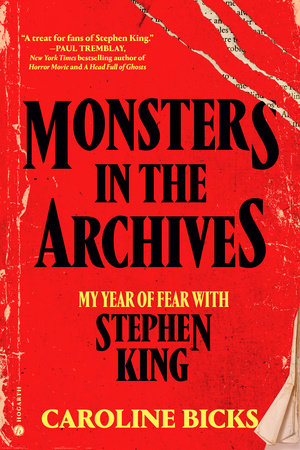
My book, Monsters in the Archives, chronicles what I discovered when Stephen King granted me what Shakespeare couldn’t: unprecedented access to early drafts of his iconic works, with all of his handwritten margin notes and edits. In one of our conversations, I asked King about the changes I saw him making to an early, very inhuman version of Carrie. He told me why and how he rewrote her as “an All-American girl,” a bullied teenager that readers could root for on some level as she harnesses her mental powers to flip the script. What he (like Shakespeare) understood was that girls who use their brains aren’t pathological exceptions, but rather everyday agents of change that audiences and readers recognize.
The following seven stories feature girls who use their cognitive abilities to challenge social norms and imagine their own destinies. They don’t always succeed in the ways they hope—and, in one case, girl power threatens to destroy all of humanity, not just the prom—but they all turn their minds toward making better futures.
The Heart is a Lonely Hunter by Carson McCullers
McCullers’ novel, set in a 1930s mill town, tracks multiple interconnected characters over the course of one year; but it’s Mick Kelly’s heart and mind that power the story’s lonely hunt for meaning. Mick begins as a 12-year-old tomboy with dreams of becoming an inventor and famous musician; by the end, she’s almost 14 and leaving school to work at Woolworth’s so that she can help her struggling family. McCullers poignantly captures the disjunction between a pubescent girl’s rapid physical growth and the simultaneous restrictions society puts on her future. But she also describes Mick moving her big ideas to the “inside room” of her mind—they aren’t gone, they’re just more private. And in the end, Mick’s still connected to that earlier expressive dreamer: “Maybe it would be true about the piano,” she thinks, as she saves a few dollars each week toward buying one, “and turn out O.K.”
Why Be Happy When You Could Be Normal? by Jeanette Winterson
“Why is the measure of love loss?” This question drives Winterson’s memoir about growing up with an abusive adoptive mother, searching for her past, and making her future. The elder Winterson locks Jeannette outside in the winter and forbids all books except for the Bible. When she discovers that 14-year-old Jeanette is sleeping with her girlfriend, she has a Pentecostal minister force her daughter through three brutal (and unsuccessful) days of conversion therapy. Eventually, Jeanette saves herself by escaping into fiction. She works her way through every work of literature, A-Z, in her local library; and, after Mrs. Winterson evicts her at 16, gets herself into Oxford where she becomes a fiction writer. Here, she writes about how stories give words to those who have been silenced: “We get our language back through the language of others.” Fiction “isn’t a hiding place. It’s a finding place.”
The Girl Who Loved Tom Gordon by Stephen King
Trisha isn’t a teenager (she’s “nine going on ten”), but she quickly starts thinking like one when she gets lost on the Appalachian Trail for nine days: During that time, she goes from being “the invisible girl” trying to glue the broken parts of her divorced family together to a self-reliant survivor. King focuses on Trisha’s mental gymnastics as she staves off the “no-brain roar of terror” with wilderness lessons she’s learned in science class and Little House on the Prairie. The only supernatural horrors are the ones she hallucinates, but she’s able to mute them with the intentional powers of her imagination: She conjures her favorite Red Sox player, pitcher Tim Gordon, to walk alongside her and offer advice on how to establish dominance over the opposing player. She channels the “ice water in his veins,” and his stance and decisive throw as she battles one last predator.
The Blazing World by Margaret Cavendish
Published in 1666, Cavendish’s Blazing World is one of the first examples of science fiction. It begins when a young lady, kidnapped by a lecherous merchant, washes up on the shore of a strange new world after the crew freezes to death. The Emperor grants her absolute power, which she uses to create new, female-friendly laws and customs. She also summons her animal-human hybrid subjects to debate their observations of the natural world with her. Cavendish, the first woman granted a visit to the exclusive Royal Society (a scientific academy), was later mocked by member Samuel Pepys: “I did not hear her say any thing that was worth hearing.” No wonder she turned to utopian fiction to find her inner girl boss. “I have made a world of my own,” she tells her readers, “for which no body, I hope, will blame me, since it is in everyone’s power to do the like.”
Fat Ham by James Ijames
Ijames transports Shakespeare’s Hamlet to a southern backyard BBQ in his hilarious, Pulitzer Prize-winning play. He reimagines all of the young characters as queer and Black, including Opal/Ophelia (who loves girls and wants to run a shooting range), and Juicy/Hamlet. Opal speaks for them both when she says, “we on the verge of gaining our powers but there’s something that’s like holding us back.” She’s the one who imagines a different future for Juicy where he doesn’t have to become the hard, avenging killer his father’s ghost wants him to be, or feel badly about the “softness” that his stepfather relentlessly bullies him about: “What he thinks is your weakness gonna save you Juicy.” But Opal’s also looking out for herself. Rather than go mad or drown, she refuses to enable the tragic ending that Shakespeare first staged. In Fat Ham’s jubilant climax, she announces: “I ain’t dying for nobody.”
Our Missing Hearts by Celeste Ng
Ng imagines a not-too-distant American dystopia where children are taken from their parents to “protect” them from unpatriotic ideas—namely, challenges to the anti-Asian narrative the government has manufactured to justify its authoritarian takeover. The main character, Bird, hasn’t seen his Chinese-American mom for years: rather than risk her son being “re-placed,” she disappears. He’s almost forgotten her when he meets Sadie, a 13-year-old who’s been taken from her family and bounced between foster homes. She’s a fearless truth seeker, asking the teachers where all the missing books are and secretly researching the history of Bird’s mom. When she discovers that her parents have moved with no forwarding address, she runs away and gets herself to New York City, where she helps reunite Bird with his mother. By the end, she still hasn’t found her parents, but she won’t stop searching for them, or for “a way out of all this.”
The Power by Naomi Alderman
What would happen if girls had all the power? Naomi Alderman brings this thought experiment to life by imagining an alternate history of the world: Across the globe, adolescent girls suddenly develop the ability to shoot deadly electricity through their fingertips and to awaken it in the “skeins” of adult women. Initially, the results are exhilarating: females from Riyadh to Moldova remake the world by toppling tyrants and killing sex-traffickers. The novel’s teenage protagonists also use the Power to fight their male oppressors: Allie kills her sexually abusive foster father, and Roxy executes the man who killed her mother. But then Allie, like matriarchs around the world, starts rewriting scripture and law to justify oppressing males. It isn’t until Roxy’s skein is cut out and stolen that she realizes the corruptive effects of power on the mind, and the toll it takes on humanity, regardless of who wields it.
Read the original article here