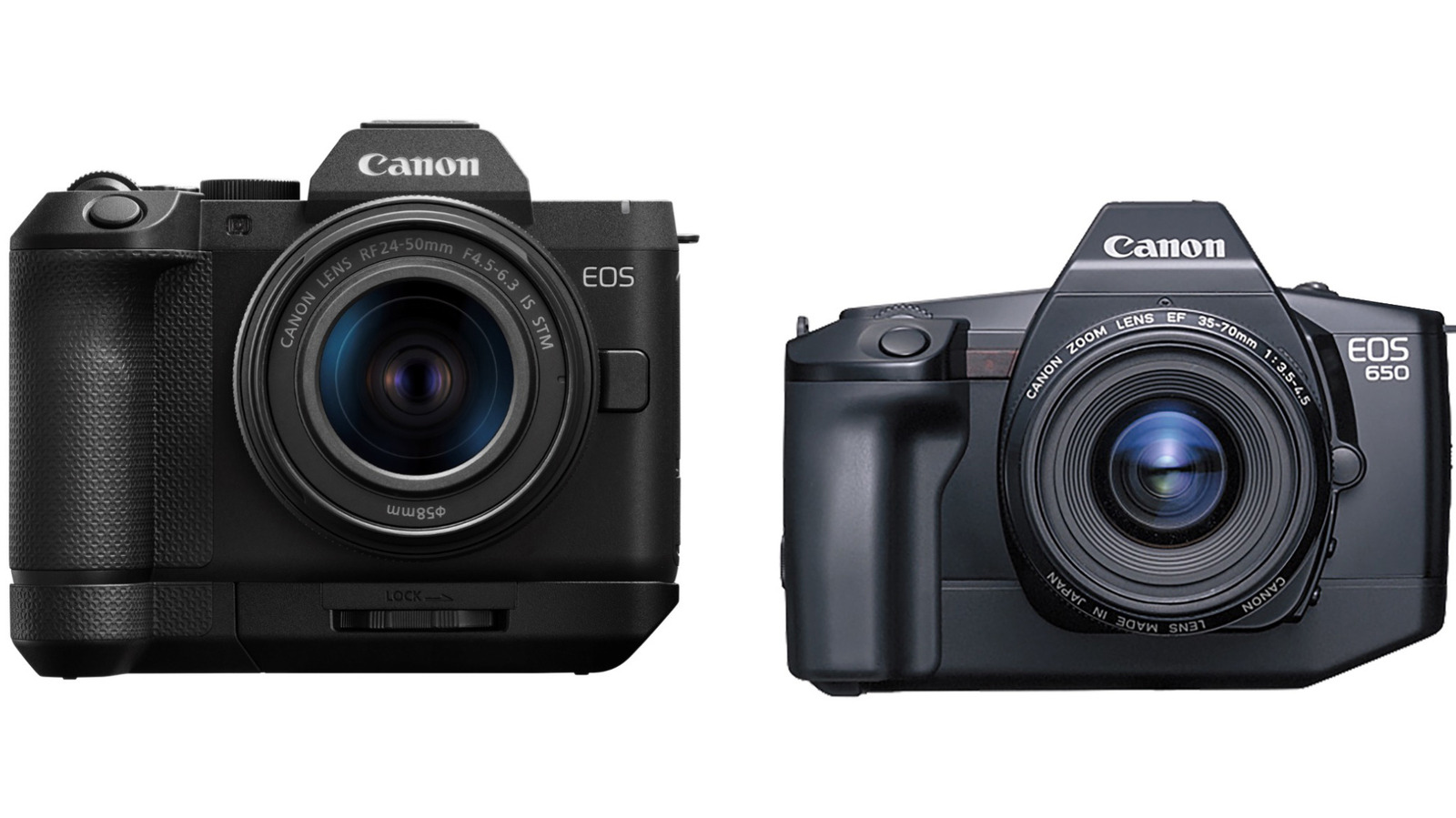
Though preoccupied with vlogging lately, Canon hasn’t forgotten its photography market. The company just unveiled the 24-megapixel EOS R8 II, an entry-level full-frame camera with all new styling that’s strikingly different from the previous R8 model. In fact, the new camera reaches back much further, borrowing design cues from its classic EOS 650 SLR film camera, adding a touch of retro chic to a previously dull design.
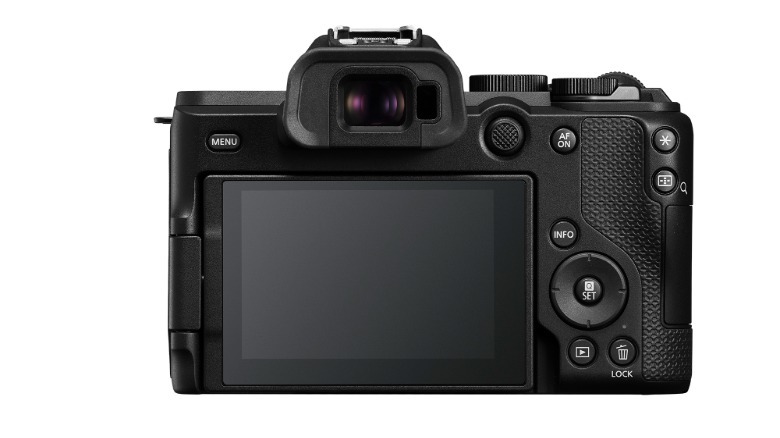
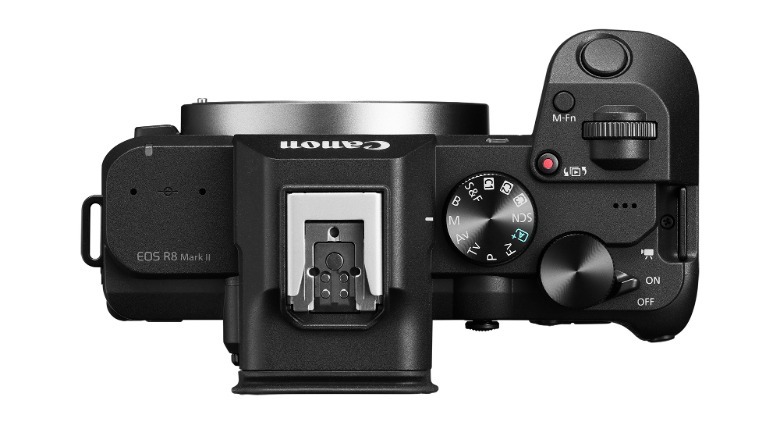
A few things you may notice about it are the much more squared-off design compared to the rounded, swoopy R8. With the optional battery grip installed, it has an angled right corner like the 650 and more horizontal shutter button area. That said, it’s significantly larger and more modern-looking than its muse. As for controls, it has a joystick to move the autofocus point that the R8 sadly lacks.
 Canon
Canon
Canon told Engadget that it addressed issues that myself and other reviewers found wanting in the R8. First off, it’s faster. The R8 II can now shoot at 40 fps in electronic shutter mode with continuous autofocus and auto-exposure, and capture more shots in a burst (58 percent more JPEG and 30 percent more RAW images). And unlike the previous model, it’s equipped with 5-axis in-body stabilization that reduces shake up to 7.5 stops with supported lenses. It’s also the lightest full-frame camera on the market with this feature at 1.2 pounds (546 grams).
The autofocus has been overhauled as well. Equipped with Canon’s Dual Pixel CMOS AF II, it offers 100 percent coverage and subject tracking of people, animals and vehicles, while delivering more tenacious tracking than the EOS R8, Canon said. It also comes with a feature we’ve only seen on higher-end models like the EOS R6 III: the ability to register specific people for tracking. You also get pre-continuous shooting that allows the capture of up to 20 frames (a half second’s worth) before fully pressing the shutter button.
 Canon
Canon
Video hasn’t changed much, but was already pretty powerful with the R8. You can capture 4K 60p video that’s oversampled from the full 6K sensor width, as before, along with uncropped 1080p video at 180 fps. It supports 10-bit 4:2:2 capture with Canon Log3 in HEVC or AVC codecs at bit rates up to 250 Mbps. Video autofocus is much improved, with all the same tracking and subject detection AF features as for photos.
Other features include new Positive Filmtone, Negative Filmtone and Night Scene film looks, an A+ Automatic Exposure feature with a blurred background setting for movies, a separate Slow & Fast mode, a single UHS II card slot and enhanced stabilization modes for video. The 3-inch 1.62-million-dot vari-angle rear display and 2.36-million-dot EVF are basic, as is the LP-E17 battery that allows for just 340 shots in power saving mode.
The Canon EOS R8 II is now on pre-order for $1,899, with shipping set to start in late October. You may find that price a bit shocking for an “entry level” model, but it appears to be the new normal for cameras in a world of inflation and tariffs. You can also get it in a kit with Canon’s RF24-50mm F/4.5-6.3 IS STM lens for $2,099. The optional EG-E2 Extension Grip is $100, and Canon’s new Speedlite EL-5 Ver.2 flash will set you back $379.
Read the original article here