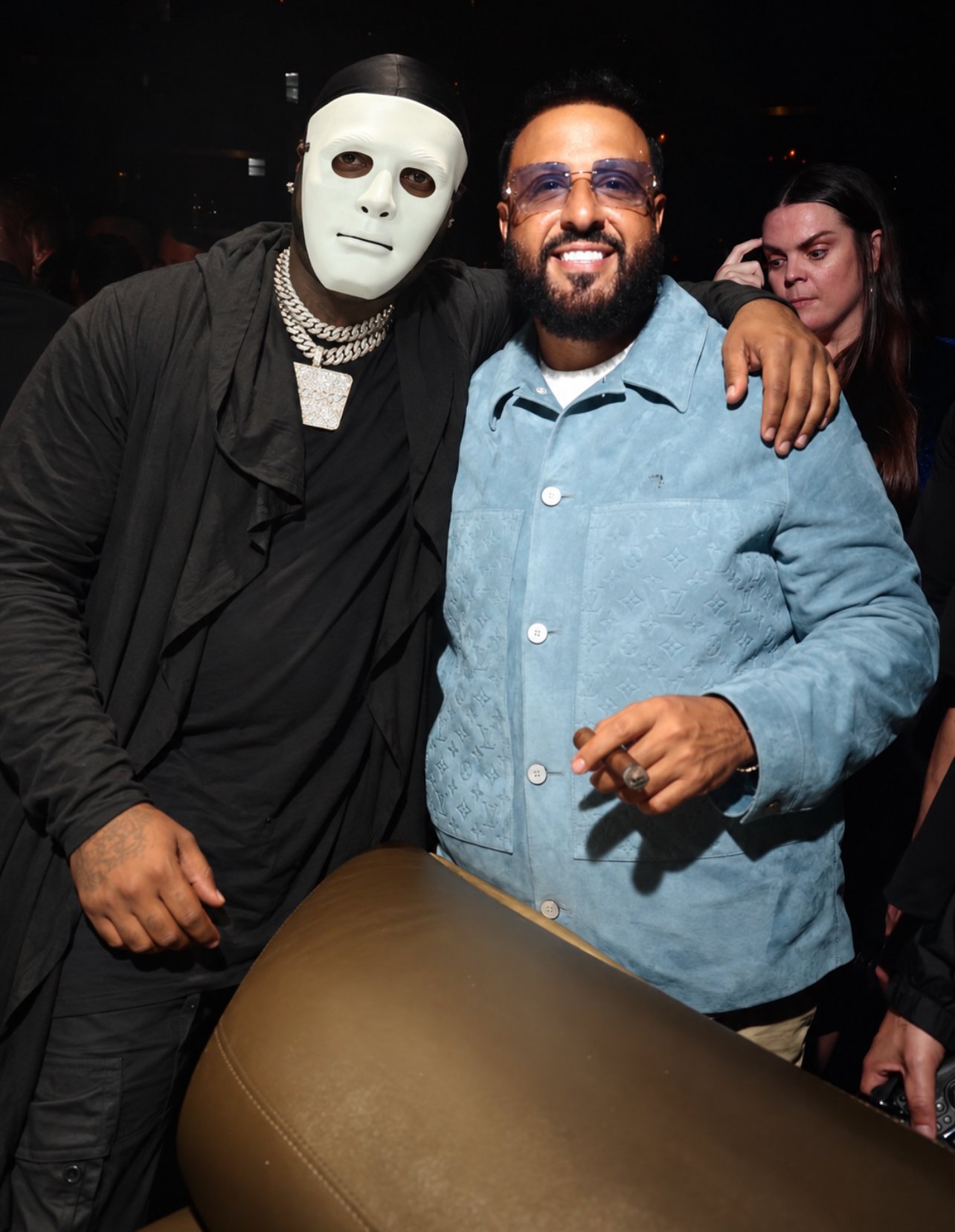
His personal estimate rises from 80 million to 120 million dollars as technology investments and music rights support a broader wealth strategy
Paul Dawson, the producer and songwriter known as Ghost Kid, says his estimated net worth has climbed from $80 million to $120 million. He attributes the reported $40 million increase to a combination of technology investments, his music catalog and alternative business interests.
The update comes amid a strong recent rebound in two companies he identifies among his investments. Through the October 22, 2026 market close, Snap, the parent company of Snapchat, had gained approximately 19.8% over the preceding month, while Spotify had risen approximately 13.8% over the same period. 1,2
Dawson points to those gains as one contributor to his broader wealth picture. His $120 million figure remains his own estimate; publicly available stock prices do not establish the size of his positions or independently account for the full increase.
An investment history beyond music
According to Dawson, his early technology investing dates to 2014, with an investment history that includes Snapchat, Uber, Palantir, Slack and Spotify before their public listings. He describes an approach built around acquiring ownership and allowing businesses time to develop.
That business focus has a public history. A June 2016 press release issued in Dawson’s name described a fund investing in technology startups and companies valued at more than $1 billion, alongside his continuing music career.
Slack forms part of that investment history. Salesforce completed its acquisition of the company in July 2021, and Slack ceased trading as an independent public stock.
Dawson also identifies private business interests and alternative investments as part of his financial foundation. Together with his technology positions and music rights, those holdings give him multiple potential sources of value beyond fees earned for individual recording sessions.
A music catalog with continuing earning potential
His music résumé includes production credits on Ariana Grande’s “Hands On Me,” featuring A$AP Ferg, and Rihanna’s “As Real As You and Me.” His songwriting credits include Usher’s “Good Good,” with Summer Walker and 21 Savage, and “Hot Tottie,” featuring JAY-Z.
Other documented contributions include Robin Thicke’s “Sex Therapy,” Chris Brown’s “Calypso” and Tank’s “Giddy Up.”
Dawson also describes a broader career spanning projects with Drake, Nicki Minaj, 50 Cent, Bryson Tiller, Demi Lovato, Diddy, Christina Aguilera and Keyshia Cole. He includes his retained music rights in his wealth estimate. Depending on ownership and contract terms, songwriting, publishing and royalty interests can continue earning as music is streamed, performed and licensed. The financial value rests on the rights retained and the income they can generate over time.
A disciplined approach to personal spending
Despite the scale of his reported wealth, Dawson says his personal living expenses are managed through a $10,000 weekly allocation. Accountants and business managers oversee his broader finances, with an emphasis on responsibility and longevity.
The distinction between wealth and available cash matters. Net worth measures assets after liabilities; it does not represent an unrestricted bank balance. Public shares, private business interests and music rights have different levels of liquidity, meaning they cannot all be converted into spendable cash with the same ease.
Dawson describes managed access to his money, with personal spending funded through planned distributions and larger decisions reviewed with his financial team. He frames those controls as a way to preserve capital and sustain his lifestyle over the long term.
As Ghost Kid continues adding to his music catalog, he intends to maintain the same discipline around his finances. The goal is to keep creating valuable work while allowing the assets he has accumulated to support lasting financial security for his family.
